
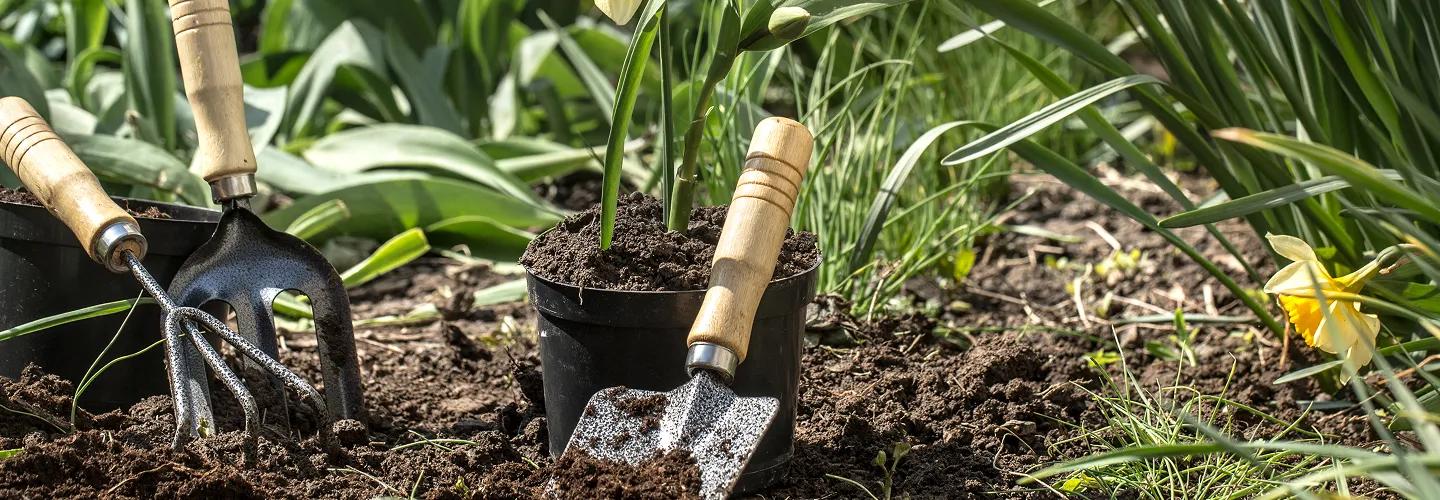
Galveston Lawn Seeding Services
Choose our professional lawn seeding services for a lush, healthy yard—our experienced team uses premium seed blends and proven techniques to ensure even growth, improved turf density, and long-lasting results you can enjoy all season.
Get a Free QuoteOur Galveston Landscaping & Yard Care Services
When to Schedule Lawn Seeding in Galveston, Texas – Seasonal Guide
Timing is everything when it comes to successful lawn seeding in Galveston, Texas. Due to our coastal climate, with its mild winters and humid summers, the best periods for seeding are typically late spring and early fall. These seasons offer optimal soil temperatures and moisture levels, allowing new grass to establish strong roots before the harsher conditions of summer heat or winter chill set in. Neighborhoods near Moody Gardens or along Seawall Boulevard often experience unique microclimates, so it’s important to consider your specific location when planning.
Local environmental factors play a significant role in determining the right time for lawn seeding. For example, Galveston’s proximity to the Gulf means higher humidity and a greater risk of fungal issues, especially in shaded areas like those found in the East End Historic District. Soil composition can vary from sandy near the beaches to heavier clay inland, affecting both drainage and seed selection. It’s also wise to consult local municipal resources for any seasonal watering restrictions or guidelines that may impact your seeding schedule.
Local Factors to Consider for Lawn Seeding in Galveston
- Tree density and shade coverage, especially in older neighborhoods
- Soil type (sandy vs. clay) and drainage characteristics
- Average precipitation and risk of drought during the growing season
- Proximity to saltwater and potential for salt spray
- Municipal restrictions on watering or fertilization
- Terrain slope and risk of erosion after heavy rains
Benefits of Lawn Seeding in Galveston
Thicker, Healthier Lawns
Improved Weed Resistance
Enhanced Curb Appeal
Customized Grass Selection
Cost-Effective Lawn Renewal
Expert Local Knowledge
Galveston Lawn Seeding Types

Bermuda Grass Seeding
-
St. Augustine Grass Seeding
-
Zoysia Grass Seeding
-
Centipede Grass Seeding
-
Fescue Grass Seeding
-
Ryegrass Seeding
-
Buffalo Grass Seeding
Our Lawn Seeding Process
Site Evaluation
Soil Preparation
Seed Selection
Seeding Application
Watering and Maintenance
Why Choose Galveston Landscape Services
Galveston Homeowners Trust Us
-
Local Expertise
-
Reliable Lawn Maintenance
-
Competitive Pricing
-
Professional Team
-
Satisfaction Guarantee
-
Personalized Service
-
Prompt Response Times
Soil Series and Drainage Considerations for Lawn Seeding in Galveston
Lawn seeding in Galveston requires careful attention to the city’s predominant soil types, which include the Surfside and Galveston fine sandy loams as identified by the USDA Web Soil Survey. These soils are typically well-drained but can exhibit moderate compaction in developed areas, affecting seed-to-soil contact and germination rates. The pH in these soils generally ranges from 6.5 to 7.5, suitable for most turfgrass species but may require lime or sulfur amendments for optimal growth. Recommended soil preparation steps include:
- Core aeration to a depth of 2-3 inches for compacted areas
- Incorporation of 2-3 inches of compost to improve organic matter
- Soil testing through Texas A&M AgriLife Extension (typical cost: $15-25)
- Adjusting pH with lime if below 6.0 or sulfur if above 7.5 Proper site assessment ensures compliance with city landscaping standards and supports healthy turf establishment.
Seasonal Timing and Climate Factors for Galveston Lawn Seeding
Galveston’s coastal climate, classified as USDA Hardiness Zone 9b, presents unique timing considerations for lawn seeding. The optimal windows for cool-season grass seeding are February 15–March 31 (soil temperature 50–65°F) and for warm-season grasses, April 15–June 1 (soil temperature above 65°F). Fall seeding is generally discouraged due to hurricane season and high rainfall variability. Key timing guidelines include:
- Spring seeding: February 15–March 31 (cool-season)
- Late spring: April 15–June 1 (warm-season)
- Avoid June–August due to heat stress and drought risk
- Monitor local forecasts via the National Weather Service Houston/Galveston Office Adhering to these timing recommendations helps maximize germination rates and turf establishment while minimizing erosion and runoff risks.
Municipal Coordination and Compliance for Lawn Seeding Projects in Galveston
All lawn seeding activities in Galveston must comply with city ordinances regarding equipment operation, stormwater management, and property maintenance. Equipment operation is permitted:
- Monday–Friday: 7:00 AM–7:00 PM
- Saturday: 8:00 AM–6:00 PM
- Sunday and holidays: Prohibited Grass clippings and soil debris must not be deposited in storm drains, in accordance with the city’s MS4 permit and the Clean Water Act. For projects exceeding 5,000 sq ft, erosion control measures such as silt fencing or straw wattles are required. For guidance on compliance and collection schedules:
City of Galveston Municipal Services
823 Rosenberg Street, Galveston, TX 77550
Phone: (409) 797-3630
Official Website: City of Galveston Municipal Services
Environmental Protection and State Regulatory Requirements for Seeding in Galveston
Lawn seeding near Galveston’s wetlands, stormwater channels, or protected areas must adhere to buffer requirements and state environmental laws. The Texas Water Code prohibits fertilizer or pesticide application within 50 feet of water bodies, and a 25-foot no-disturbance buffer is standard for wetland-adjacent properties. The city’s MS4 permit, administered by the Texas Commission on Environmental Quality, mandates that no soil, seed, or debris enter storm drains. Compliance steps include:
- Maintain 25-foot buffer from wetlands
- Use erosion control blankets on slopes >5%
- Prohibit fertilizer/pesticide use within 50 feet of water
- Submit erosion control plan for projects >5,000 sq ft For technical assistance, consult:
Galveston Pollution Prevention Program
823 Rosenberg Street, Galveston, TX 77550
Phone: (409) 797-3660
Official Website: Galveston Pollution Prevention Program
Turfgrass Species Selection and Professional Standards for Galveston Lawns
Selecting turfgrass species for Galveston lawns should be based on salt tolerance, drought resistance, and adaptation to sandy soils. Recommended species include:
- St. Augustinegrass (Stenotaphrum secundatum): ‘Raleigh’ and ‘Palmetto’ cultivars
- Bermudagrass (Cynodon dactylon): ‘Tifway 419’ for high-traffic areas
- Zoysiagrass (Zoysia japonica): ‘Palisades’ for moderate shade
- Buffalograss (Bouteloua dactyloides): for low-maintenance sites Professional standards require:
- Seeding at 1–2 lbs per 1,000 sq ft (species dependent)
- Use of certified seed and sterile mulch
- PPE: ANSI Z87.1 safety glasses, hearing protection for 85+ dB, gloves For species recommendations and soil test interpretation, contact:
Texas A&M AgriLife Extension
4102-B Main Street, La Marque, TX 77568
Phone: (281) 534-3413
Official Website: Texas A&M AgriLife Extension
What Neighborhoods Do We Serve Throughout Galveston, TX?
- East End Historic District: Characterized by mature landscaping, compacted urban soils, and historic preservation requirements that may affect equipment access and timing.
- Midtown: Features a mix of residential and commercial properties with moderate drainage and occasional saltwater intrusion, requiring salt-tolerant turf species.
- Denver Court: Known for larger lots and sandy soils with good drainage, but subject to wind erosion and occasional flooding during heavy rain events.
- Pirates Beach: Coastal exposure leads to high salt spray and sandy, fast-draining soils, necessitating drought- and salt-tolerant grass varieties.
- Bayou Shore: Proximity to wetlands and bayous requires strict adherence to buffer zones and erosion control measures during seeding.
- Lindale Park: Urban fill soils and moderate compaction are common, with smaller lot sizes and frequent shade from mature trees impacting turf selection.
- Spanish Grant: Newer development with engineered drainage systems and HOA landscaping standards that may specify turf types and maintenance schedules.