
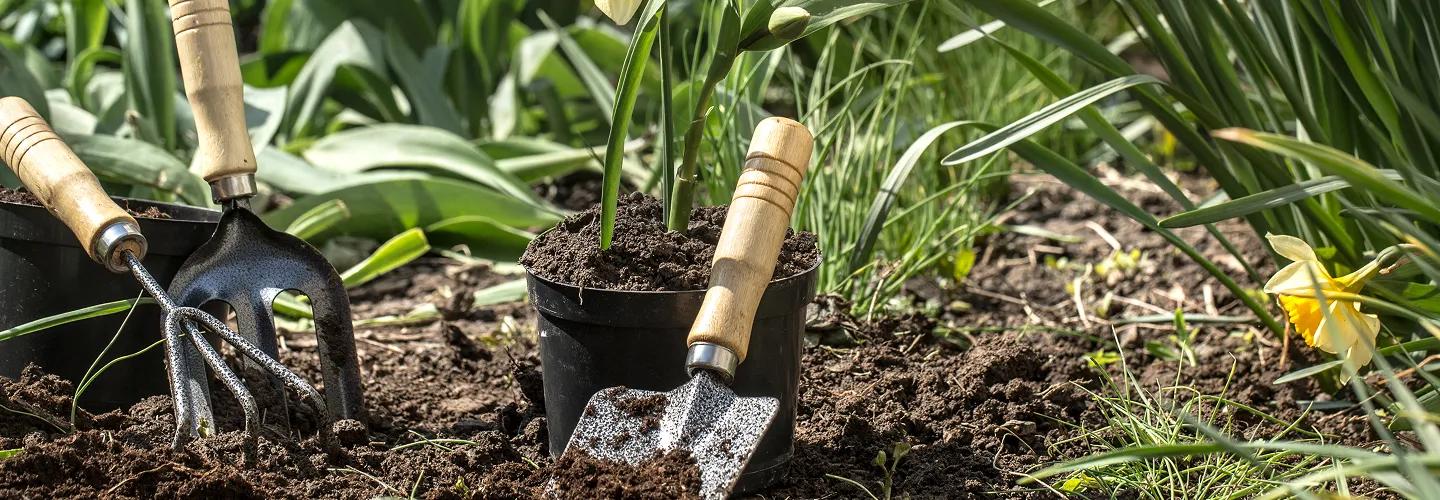
Galveston Flower Bed Maintenance Services
Choose our expert Flower Bed Maintenance for lush, healthy blooms and a weed-free landscape—enjoy professional care that keeps your garden looking its best, season after season.
Get a Free QuoteOur Galveston Landscaping & Yard Care Services
When to Schedule Flower Bed Maintenance in Galveston, Texas – Seasonal Guide
In Galveston, Texas, the timing of flower bed maintenance is crucial for keeping your landscape vibrant and healthy throughout the year. Thanks to our coastal climate, with mild winters and humid summers, the best periods for major maintenance are typically late winter (February to early March) and early fall (September to October). These windows allow for pruning, mulching, and planting before the intense summer heat or occasional winter chills set in. Local neighborhoods like East End Historic District and areas near Moody Gardens often experience unique microclimates due to proximity to the Gulf, so it’s important to consider your specific location when planning service.
Environmental factors such as Galveston’s average last frost date in early March, the risk of summer droughts, and the prevalence of sandy, well-draining soils all play a role in determining the optimal maintenance schedule. Properties shaded by mature oaks in Lasker Park or exposed to salt spray near Seawall Boulevard may require tailored approaches. For more information on local regulations and best practices, visit the official city resource.
Local Factors to Consider for Flower Bed Maintenance in Galveston
- Tree density and shade coverage (especially in older neighborhoods)
- Soil type and drainage (sandy soils are common)
- Seasonal precipitation and drought risk
- Proximity to saltwater and exposure to salt spray
- Municipal restrictions or watering schedules
- Terrain and elevation (low-lying areas may flood)
- Local pest and disease pressures
Benefits of Flower Bed Maintenance in Galveston
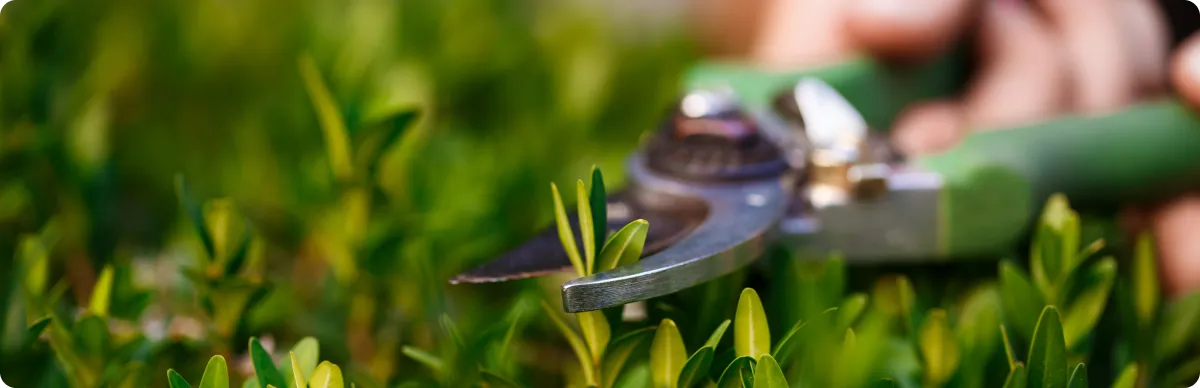
Enhanced Curb Appeal
Weed and Pest Prevention
Healthier Plant Growth
Seasonal Color Management
Professional Expertise
Time and Effort Savings
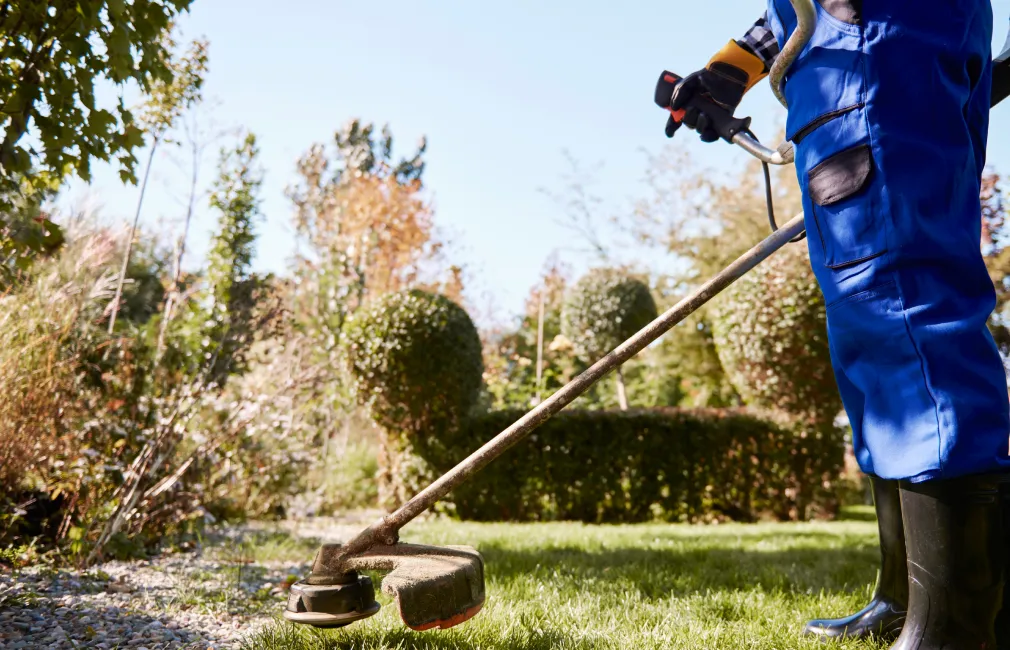
Galveston Flower Bed Maintenance Types

Seasonal Flower Planting
-
Weed Control Services
-
Mulching and Soil Conditioning
-
Pruning and Deadheading
-
Fertilization Programs
-
Pest and Disease Management
-
Edging and Bed Redefining
Our Flower Bed Maintenance Process
Site Evaluation
Weed Removal
Soil Preparation
Plant Care
Mulching
Why Choose Galveston Landscape Services
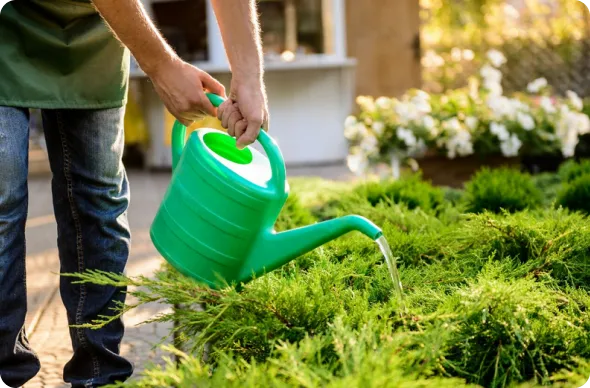
Galveston Homeowners Trust Us
-
Local Expertise
-
Reliable Lawn Maintenance
-
Competitive Pricing
-
Professional Team
-
Satisfaction Guarantee
-
Personalized Service
-
Prompt Response Times
Galveston’s Coastal Sandy Soils and Drainage Considerations for Flower Beds
Flower bed maintenance in Galveston requires careful attention to the city’s predominant soil types, which include Galveston fine sand and coastal sandy loams as identified by the USDA Web Soil Survey. These soils are typically well-drained but can be low in organic matter and nutrients, with pH levels ranging from 7.0 to 8.0. To improve soil structure and fertility, it is recommended to incorporate 2-3 inches of compost tilled to a 6-inch depth. Soil testing, available through Texas A&M AgriLife Extension, helps determine amendment needs and optimal plant selection. For areas with poor drainage or salt exposure, raised beds and salt-tolerant species such as daylily (Hemerocallis) and black-eyed Susan (Rudbeckia hirta) are advised. Regular mulching (2-3 inches) helps retain moisture and suppress weeds, which is especially important in Galveston’s sandy soils.
Municipal Collection Schedules and Debris Disposal Protocols in Galveston
Proper disposal of flower bed debris in Galveston is governed by city ordinances and collection schedules. Yard waste, including plant trimmings and mulch, is collected every Thursday from April through November. Residents must use biodegradable bags or reusable bins (32-gallon maximum); plastic bags and branches over 4 inches in diameter are prohibited. Debris should be placed curbside by 7:00 AM on collection day. For large quantities or off-schedule disposal, the city transfer station is available during posted hours. Compliance with these protocols prevents stormwater contamination and supports municipal recycling efforts. For detailed guidance, coordinate with the Department of Public Works.
City of Galveston Municipal Services
823 Rosenberg Street, Galveston, TX 77550
Phone: (409) 797-3630
Official Website: City of Galveston Municipal Services
Environmental Compliance: Buffer Zones and Stormwater Protection in Galveston
Flower bed maintenance activities in Galveston must comply with local and state environmental regulations to protect sensitive coastal ecosystems. The Texas Water Code and Clean Water Act require a 25-foot no-disturbance buffer from wetlands and water bodies, including Offatts Bayou and city drainage channels. The city’s MS4 permit prohibits yard waste and soil from entering storm drains. Key compliance steps include:
- Maintain a 25-foot buffer from wetlands
- Prohibit fertilizer and pesticide application within 50 feet of water bodies
- Prevent clippings and mulch from entering storm drains
- Use erosion control measures on slopes or near drainageways
For further information on environmental protection and pollution prevention, consult the Galveston Pollution Prevention Program.
Galveston Pollution Prevention Program
823 Rosenberg Street, Galveston, TX 77550
Phone: (409) 797-3660
Official Website: Galveston Pollution Prevention Program
Seasonal Timing and Climate Considerations for Flower Bed Maintenance in Galveston
Galveston’s USDA Hardiness Zone 9b, with average annual minimum temperatures of 25-30°F, shapes the timing of flower bed maintenance. The optimal window for planting and major bed renovations is February 15 to April 15, when soil temperatures reach 60°F. Mulching and fertilization should be completed by early May to avoid heat stress. Summer maintenance focuses on irrigation and weed control, as high humidity and salt spray can stress plants. Recommended timing includes:
- Spring planting: February 15 – April 15
- Mulching: March – April
- Fertilization: Early May
- Pruning: After last frost (typically late February)
For weather-specific scheduling, consult the National Weather Service Houston/Galveston Office.
Safety Standards and Equipment Operation for Flower Bed Work in Galveston
All flower bed maintenance in Galveston must adhere to city safety ordinances and equipment operation standards. Equipment such as trimmers and blowers may be operated:
- Monday-Friday: 7:00 AM – 7:00 PM
- Saturday: 8:00 AM – 6:00 PM
- Sunday and holidays: Prohibited
Operators must use ANSI Z87.1 safety glasses, hearing protection for noise above 85 dB, and gloves rated for cut and chemical resistance. Maintain a 15-foot clearance from power lines and public walkways. Commercial-grade equipment should be serviced every 20-25 hours of use. For work near public spaces or city parks, coordinate with the Parks and Recreation Department.
Galveston Parks and Recreation Department
2222 28th Street, Galveston, TX 77550
Phone: (409) 797-3700
Official Website: Galveston Parks and Recreation Department
What Neighborhoods Do We Serve Throughout Galveston, TX?
- East End Historic District: Features compact lots, mature landscaping, and historic preservation requirements. Soil compaction and drainage are common challenges due to older infrastructure.
- Midtown: Characterized by moderate lot sizes and mixed soil conditions, with both sandy and loamy areas. Proximity to drainage channels requires careful debris management.
- Pirates Beach: Coastal exposure leads to high salt content in soils and frequent wind stress. Raised beds and salt-tolerant species are recommended.
- Bayou Shore: Located near Offatts Bayou, this area has poorly drained soils and requires strict adherence to wetland buffer regulations.
- Denver Court: Features larger lots and newer developments, with better drainage but increased sun exposure. Mulching and irrigation are critical for plant health.
- Lindale Park: Noted for its tree canopy and shade, which influences plant selection and maintenance timing. Soil amendments may be needed to address organic matter deficiencies.
- Spanish Grant: Coastal neighborhood with sandy soils and high water table, requiring specialized plant choices and drainage solutions.