
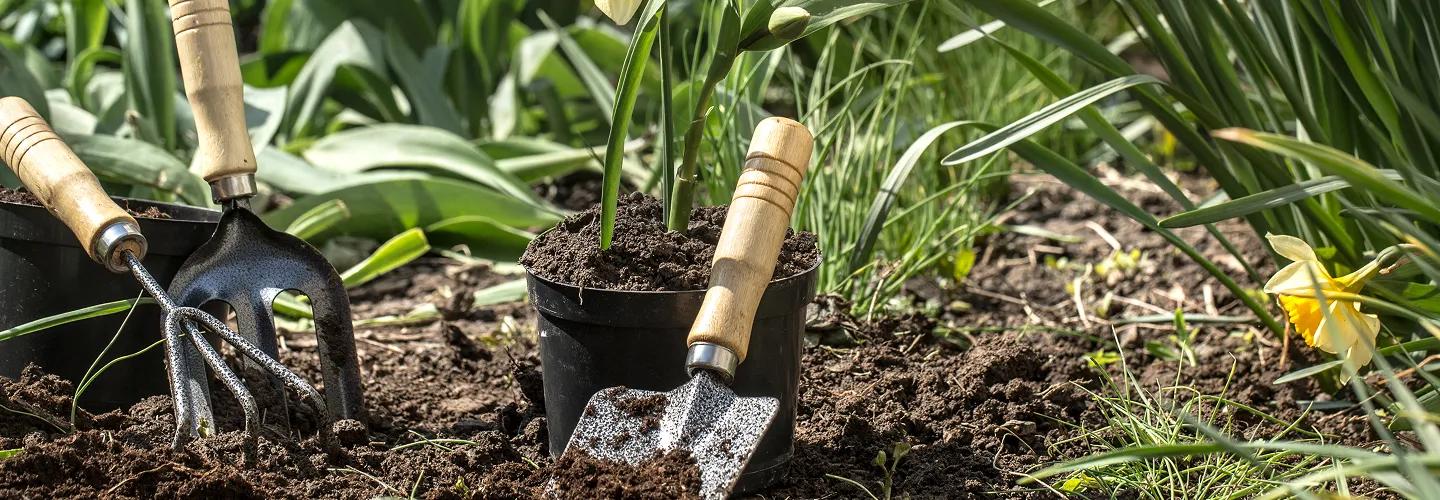
Galveston Flower Planting Services
Choose our flower planting services for vibrant, expertly arranged blooms that thrive in Galveston's unique climate—bringing lasting beauty and curb appeal to your home or business.
Get a Free QuoteOur Galveston Landscaping & Yard Care Services
When to Schedule Flower Planting in Galveston, Texas – Seasonal Guide
Flower planting in Galveston, Texas, is best scheduled with careful attention to the region’s unique coastal climate and landscape. The optimal planting windows are typically in early spring (late February to early April) and again in early fall (late September to October), when temperatures are moderate and rainfall is more predictable. Galveston’s proximity to the Gulf of Mexico means higher humidity and a longer growing season, but also the risk of sudden weather changes. Neighborhoods like East End Historic District and areas near Moody Gardens often experience microclimates due to shade from mature oaks and varying soil drainage, making local expertise essential.
When planning your flower beds, consider the last average frost date—usually mid-February—and the potential for late-season storms. Sandy soils common in areas like Pirates Beach require amendments for moisture retention, while shaded lots near Kempner Park may need shade-tolerant varieties. Be mindful of municipal watering restrictions and local ordinances, which can impact planting schedules. For more detailed local guidelines, consult resources such as the City of Galveston’s official website.
Local Factors to Consider for Flower Planting in Galveston
- Tree density and shade coverage, especially in historic neighborhoods
- Soil type and drainage, particularly in coastal and low-lying areas
- Seasonal precipitation patterns and drought risk
- Municipal watering restrictions and planting ordinances
- Proximity to saltwater and wind exposure
- Terrain variations, such as elevation and slope
Benefits of Flower Planting in Galveston
Expert Local Knowledge
Customized Landscape Designs
Seasonal Plant Selection
Enhanced Curb Appeal
Eco-Friendly Practices
Reliable Maintenance Services
Galveston Flower Planting Types

Annual Flower Beds
Seasonal color displays using vibrant annuals for maximum impact.
-
Perennial Gardens
Long-lasting blooms with low-maintenance perennial flower selections.
-
Native Wildflower Plantings
Eco-friendly landscapes featuring Texas native wildflowers.
-
Pollinator-Friendly Gardens
Flower beds designed to attract bees, butterflies, and hummingbirds.
-
Shade-Loving Flower Beds
Beautiful plantings for areas with limited sunlight.
-
Coastal Tolerant Flower Gardens
Flowers selected for salt and wind resistance in coastal environments.
-
Container Flower Arrangements
Versatile and movable flower displays in decorative containers.
Our Flower Planting Process
Site Evaluation
Soil Preparation
Plant Selection
Careful Planting
Watering and Mulching
Why Choose Galveston Landscape Services
Galveston Homeowners Trust Us
-
Local Expertise
-
Reliable Lawn Maintenance
-
Competitive Pricing
-
Professional Team
-
Satisfaction Guarantee
-
Personalized Service
-
Prompt Response Times
Soil Series and Drainage Considerations for Flower Planting in Galveston
Flower planting in Galveston requires careful attention to the city’s predominant soil types, which include the Surfside and Galveston fine sandy loams, as identified by the USDA Web Soil Survey. These soils are typically sandy, moderately well-drained, and have a pH range of 7.0-8.0, which can affect nutrient availability for many ornamental species. Before planting, it is recommended to conduct a soil test through Texas A&M AgriLife Extension to determine amendment needs. Common amendments include:
- Compost incorporation: 2-3 inches tilled to a 6-inch depth
- Sulfur application for pH above 7.5
- Organic mulch to retain moisture and reduce compaction Proper drainage is essential, especially in low-lying areas prone to flooding. Raised beds or berms are advised for sites with poor drainage. Compliance with city ordinances regarding soil disturbance and runoff is required.
Seasonal Timing and Climate Zone Guidance for Galveston Flower Planting
Galveston is located in USDA Hardiness Zone 9b, with average annual minimum temperatures of 25-30°F. The optimal window for planting most annual and perennial flowers is from February 15 to April 15 for spring installations, and September 15 to October 31 for fall plantings. Soil temperatures should be above 55°F for successful establishment. The National Weather Service Houston/Galveston Office provides up-to-date forecasts to guide timing decisions. Key timing recommendations include:
- Spring planting: February 15 – April 15 (soil temp >55°F)
- Fall planting: September 15 – October 31 (before first frost)
- Avoid planting during peak hurricane season (June–November) Monitor rainfall and irrigation needs closely, as sandy soils dry quickly. Mulching is recommended to conserve soil moisture and moderate temperature fluctuations.
Native and Salt-Tolerant Flower Species Selection for Galveston’s Coastal Environment
Selecting appropriate flower species is critical in Galveston’s coastal setting, where salt spray, wind, and sandy soils present unique challenges. Native and salt-tolerant species are preferred for resilience and reduced maintenance. Recommended options include:
- Black-eyed Susan (Rudbeckia hirta)
- Gulf Coast penstemon (Penstemon tenuis)
- Beach sunflower (Helianthus debilis)
- Gaillardia (Gaillardia pulchella)
- Texas lantana (Lantana urticoides) Spacing should be 12-18 inches for annuals and 18-24 inches for perennials to ensure adequate airflow and root development. Avoid species sensitive to salt or with high water requirements. For further guidance, consult Texas A&M AgriLife Extension for regionally adapted plant lists and maintenance protocols.
Municipal Coordination and Compliance for Flower Planting Projects in Galveston
All flower planting activities in Galveston must comply with city ordinances regarding landscape modifications, right-of-way plantings, and stormwater management. Permitted hours for landscape work are:
- Monday-Friday: 7:00 AM – 7:00 PM
- Saturday: 8:00 AM – 6:00 PM
- Sunday and holidays: Prohibited Permit requirements apply for planting in public spaces or within 10 feet of city infrastructure. Debris from planting must be disposed of according to city guidelines—yard waste collection occurs every Thursday, April through November, using biodegradable bags or 32-gallon containers. For regulatory details and permit applications, coordinate with:
City of Galveston Municipal Services
823 Rosenberg Street, Galveston, TX 77550
Phone: (409) 797-3630
Official Website: City of Galveston Municipal Services
Environmental Compliance: Stormwater, Buffer Zones, and State Regulations
Flower planting in Galveston must adhere to environmental regulations designed to protect local water bodies, including Galveston Bay and adjacent wetlands. The city’s MS4 permit, administered under the Clean Water Act, prohibits soil, mulch, or plant debris from entering storm drains. Maintain a 25-foot no-disturbance buffer from wetlands and a 50-foot setback from open water. Fertilizer and pesticide applications must comply with the Texas Water Code and Texas Commission on Environmental Quality (TCEQ) guidelines. For technical assistance and compliance resources, contact:
Galveston Pollution Prevention Program
823 Rosenberg Street, Galveston, TX 77550
Phone: (409) 797-3660
Official Website: Galveston Pollution Prevention Program
Texas Commission on Environmental Quality
12100 Park 35 Circle, Austin, TX 78753
Phone: (512) 239-1000
Official Website: Texas Commission on Environmental Quality
What Neighborhoods Do We Serve Throughout Galveston, TX?
- East End Historic District: Characterized by mature landscaping, historic properties, and compact lots. Soil compaction and drainage are common challenges, requiring raised beds and careful plant selection.
- Midtown: Features a mix of residential and commercial properties with moderate lot sizes. Sandy soils and occasional flooding necessitate salt-tolerant species and elevated planting beds.
- West End: Known for newer developments and proximity to wetlands. Properties often face high winds and salt exposure, making native and resilient species essential.
- San Jacinto: Urban neighborhood with older homes, narrow streets, and limited green space. Soil amendments and container planting are frequently used to address poor drainage and space constraints.
- Pirates Beach: Coastal area with high salt spray, sandy soils, and HOA landscaping guidelines. Planting must comply with community standards and focus on drought- and salt-tolerant varieties.
- Bayou Shore: Adjacent to water bodies and conservation areas, requiring strict adherence to buffer zones and stormwater management practices to protect sensitive habitats.
- Denver Court: Residential area with established trees and moderate shade. Flower selection must account for partial sun conditions and root competition from mature trees.