
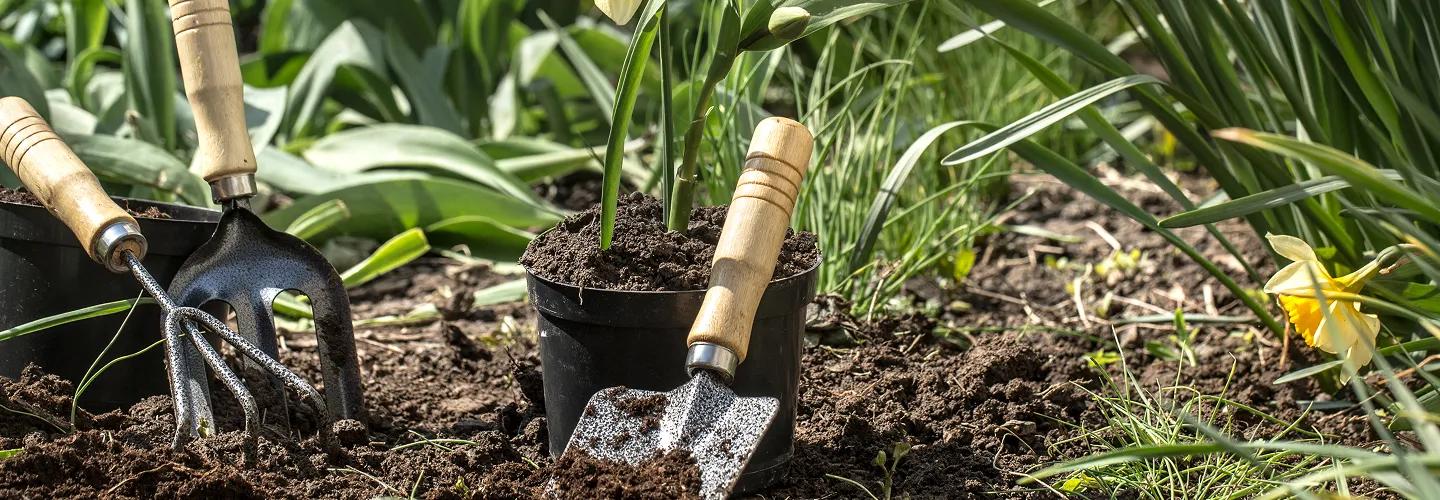
Galveston Lawn Aeration Services
Choose our expert lawn aeration services to ensure deeper root growth, improved soil health, and a greener, more resilient yard that thrives all season long.
Get a Free QuoteOur Galveston Landscaping & Yard Care Services
When to Schedule Lawn Aeration in Galveston, Texas – Seasonal Guide
In Galveston, Texas, timing your lawn aeration is crucial for maintaining a healthy, resilient yard. The best periods for aeration are typically late spring and early fall, when warm-season grasses like St. Augustine and Bermuda are actively growing. Galveston's coastal climate, with its high humidity and sandy soils, means lawns can become compacted quickly—especially in neighborhoods like East End Historic District or near Moody Gardens, where mature trees and shade are common. Aerating during these optimal windows helps roots access water and nutrients before the intense summer heat or winter chill sets in.
Local environmental factors play a significant role in determining the right time for aeration. For example, Galveston's proximity to the Gulf brings frequent rainfall and occasional droughts, impacting soil moisture and compaction. Homeowners should also consider the last frost date, typically in early February, and municipal guidelines, which can be found on the City of Sudbury's website, to ensure compliance with local watering restrictions. Tailoring your aeration schedule to these unique conditions will help your lawn thrive year-round.
Local Factors to Consider for Lawn Aeration in Galveston
- Tree density and shade coverage, especially in areas like Cedar Lawn or Lasker Park
- Soil type (sandy vs. clay) and drainage characteristics
- Seasonal precipitation patterns and drought risk
- Proximity to saltwater and its effect on soil salinity
- Municipal restrictions on watering and lawn care
- Terrain and slope, which can affect runoff and compaction
Benefits of Lawn Aeration in Galveston

Improved Soil Health
Enhanced Grass Growth
Better Water Absorption
Reduced Soil Compaction
Increased Nutrient Uptake
Stronger, Greener Lawns

Galveston Lawn Aeration Types

Core Aeration
-
Spike Aeration
-
Liquid Aeration
-
Slicing Aeration
-
Manual Aeration
-
Plug Aeration
-
Rolling Aeration
Our Lawn Aeration Process
Site Evaluation
Preparation
Core Aeration
Cleanup
Post-Aeration Recommendations
Why Choose Galveston Landscape Services
Galveston Homeowners Trust Us
-
Local Expertise
-
Reliable Lawn Maintenance
-
Competitive Pricing
-
Professional Team
-
Satisfaction Guarantee
-
Personalized Service
-
Prompt Response Times
Galveston’s Coastal Soils and Core Aeration Depth Requirements
Lawn aeration in Galveston must account for the city’s predominant soil types, including the Surfside and Galveston fine sandy loams and the more compacted urban fill soils found throughout developed neighborhoods. These soils are typically neutral to slightly alkaline (pH 7.0–8.0) and can exhibit poor drainage, especially after heavy rainfall or storm surges. For effective aeration, core depth should reach 2.5–3 inches to penetrate compacted layers and improve root oxygenation. Multiple passes are recommended for areas with visible compaction or heavy foot traffic. Soil testing is advised prior to aeration, with services available through the USDA Web Soil Survey and Texas A&M AgriLife Extension. Incorporate amendments such as compost (2–3 inches tilled to 6-inch depth) or lime for pH below 6.5. Aeration is especially critical in low-lying areas prone to standing water, as it enhances drainage and turf resilience.
Seasonal Timing and Weather Considerations for Lawn Aeration in Galveston
Galveston’s subtropical climate (USDA Hardiness Zone 9b–10a) and proximity to the Gulf of Mexico create unique timing windows for lawn aeration. Optimal periods are late March to early May and late September to mid-October, when soil temperatures range from 65°F to 80°F and turfgrass is actively growing. Avoid aeration during peak summer (June–August) due to heat stress and in winter when grass is dormant. Monitor local weather forecasts through the National Weather Service Houston/Galveston Office to avoid scheduling aeration before heavy rain events, which can lead to soil compaction or equipment damage. Recommended timing guidelines:
- Spring aeration: March 20 – May 10
- Fall aeration: September 15 – October 20
- Avoid: June–August (heat), December–February (dormancy) Soil moisture should be moderate; irrigate 24 hours prior if soil is dry.
Municipal Coordination and Compliance with Galveston’s Lawn Maintenance Ordinances
Lawn aeration activities in Galveston must comply with city ordinances regarding equipment operation, debris management, and property maintenance. Equipment operation is permitted:
- Monday–Friday: 7:00 AM – 7:00 PM
- Saturday: 8:00 AM – 6:00 PM
- Sunday and holidays: Prohibited All soil plugs and debris generated must be collected and disposed of according to city guidelines. Yard waste collection occurs weekly on Thursdays (April–November); use biodegradable bags or 32-gallon containers. Prohibited: plastic bags, branches over 4 inches diameter. For questions on compliance or collection schedules:
City of Galveston Municipal Services
823 Rosenberg Street, Galveston, TX 77550
Phone: (409) 797-3630
Official Website: City of Galveston Municipal Services
Noise complaints or ordinance violations are handled by Code Enforcement.
City of Galveston Code Enforcement
2517 Ball Avenue, Galveston, TX 77550
Phone: (409) 797-3660
Official Website: City of Galveston Code Enforcement
Environmental Compliance: Stormwater, Buffer Zones, and State Regulations in Galveston
Aeration near Galveston’s wetlands, bayous, and stormwater infrastructure requires strict adherence to environmental regulations. The city’s MS4 permit, issued under the Clean Water Act, prohibits the discharge of soil plugs, grass clippings, or fertilizers into storm drains. Maintain a 25-foot no-disturbance buffer from wetlands and a 50-foot setback from open water bodies such as Offatts Bayou and Lake Madeline. Application of fertilizers or amendments is not permitted within these buffer zones. Compliance is monitored by the Texas Commission on Environmental Quality (TCEQ) and the Galveston Pollution Prevention Program. For technical guidance, consult:
Galveston Pollution Prevention Program
823 Rosenberg Street, Galveston, TX 77550
Phone: (409) 797-3660
Official Website: Galveston Pollution Prevention Program
Statewide, the Texas Water Code governs water quality and stormwater management. Violations may result in fines or remediation orders.
Safety Protocols and Equipment Standards for Lawn Aeration in Galveston
All lawn aeration work in Galveston must adhere to municipal and industry safety standards. Operators are required to use commercial-grade core aerators with functional mufflers and maintain noise levels below 85 decibels at property lines. Personal protective equipment (PPE) is mandatory:
- Eye protection: ANSI Z87.1 safety glasses
- Hearing protection: Earmuffs or plugs for 85+ dB
- Footwear: Steel-toed, non-slip boots
- Gloves: Cut-resistant for handling equipment Maintain a 15-foot clearance from overhead utilities and mark all underground lines before aeration. Equipment must be inspected before each use, and blades should be sharpened every 20–25 hours of operation. For work near public roads or parks, coordinate with:
Galveston Parks and Recreation Department
2222 28th Street, Galveston, TX 77550
Phone: (409) 797-3700
Official Website: Galveston Parks and Recreation Department
What Neighborhoods Do We Serve Throughout Galveston, TX?
- East End Historic District: Features compacted urban fill soils and mature landscaping, requiring deep aeration and careful debris management due to narrow streets and historic zoning.
- Midtown: Characterized by moderate lot sizes and mixed soil types, with occasional drainage issues after heavy rain; regular aeration improves turf resilience.
- West End: Sandy soils with high salt exposure and proximity to wetlands; aeration must respect buffer zones and address rapid drainage.
- Denver Court: Well-established lawns with clay loam soils and moderate compaction; HOA guidelines may specify timing and debris containment.
- Bayou Shore: Properties adjacent to Offatts Bayou and Lake Madeline, requiring strict compliance with stormwater and buffer regulations.
- Pirates Beach: Coastal sandy soils, high wind exposure, and limited access for large equipment; aeration improves root development and drought tolerance.
- Fish Village: Smaller lots with variable fill soils and frequent standing water; aeration is essential for improving drainage and reducing turf stress.