
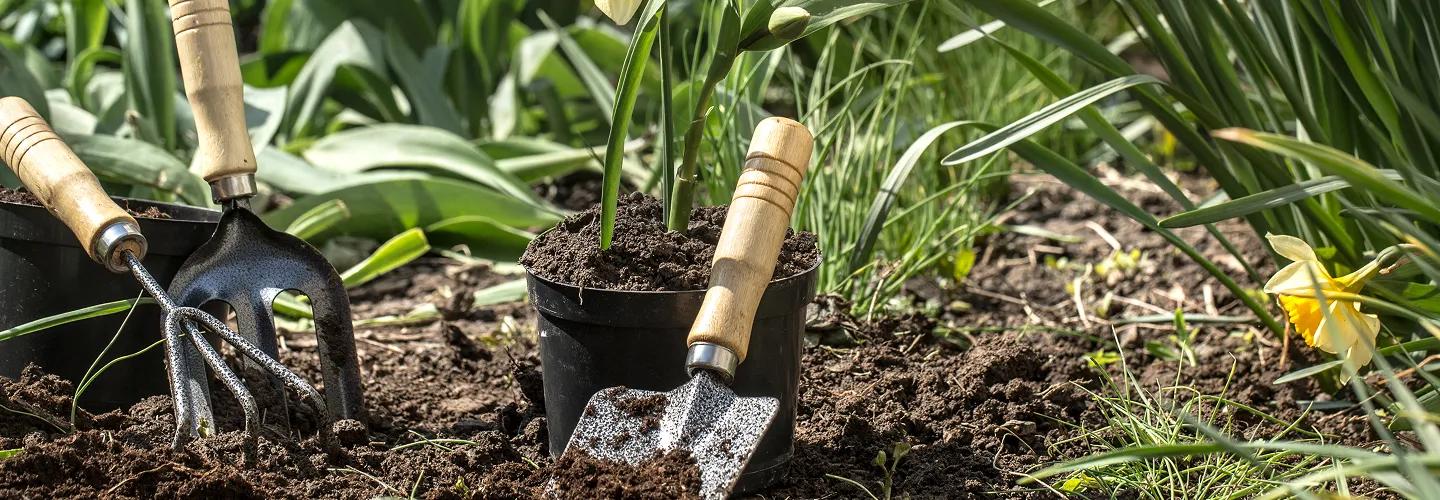
Galveston Lawn Grubs Control Services
Choose our expert Lawn Grubs Control for proven, long-lasting protection—ensuring your yard stays healthy, green, and free from destructive pests all season long.
Get a Free QuoteOur Galveston Landscaping & Yard Care Services
When to Schedule Lawn Grubs Control in Galveston, Texas – Seasonal Guide
In Galveston, Texas, the best time to schedule lawn grubs control is typically from late spring through early fall, when soil temperatures rise and grubs become most active. The island’s subtropical climate, with its warm, humid summers and mild winters, means that grubs can thrive longer than in cooler regions. Neighborhoods like Pirates Beach and East End Historic District often see increased grub activity after periods of heavy rain or irrigation, as moist soil provides ideal conditions for egg-laying and larval development.
Local environmental factors such as the sandy soils near Stewart Beach, the shade coverage from mature oaks in Midtown, and the proximity to the Gulf’s salt air all play a role in determining the optimal timing for treatment. Monitoring local frost dates and understanding the risk of drought—especially during late summer—can help homeowners and property managers plan effective grub control. For more information on local environmental guidelines, visit the Sudbury municipal site.
Local Factors to Consider for Lawn Grubs Control in Galveston
- Tree density and shade coverage (e.g., dense canopies in Lasker Park area)
- Soil type and drainage (sandy soils near the seawall vs. clay in inland neighborhoods)
- Seasonal precipitation and irrigation patterns
- Proximity to coastal salt air and humidity
- Municipal restrictions or recommended treatment windows
- Terrain and lawn slope affecting water retention
Benefits of Lawn Grubs Control in Galveston
Effective Grub Elimination
Healthier Lawn Growth
Eco-Friendly Treatment Options
Experienced Landscaping Professionals
Customized Lawn Care Plans
Long-Term Pest Prevention

Galveston Lawn Grubs Control Types

Chemical Grub Control Treatments
Effective insecticides specifically target and eliminate lawn grubs.
-
Biological Grub Control
Utilizes beneficial nematodes or milky spore to naturally reduce grub populations.
-
Preventative Grub Control
Applies treatments before grubs hatch to prevent infestations.
-
Organic Grub Control Solutions
Eco-friendly options that minimize environmental impact while controlling grubs.
-
Cultural Lawn Maintenance
Promotes healthy turf through proper mowing, watering, and fertilization to deter grubs.
-
Physical Removal Methods
Manual techniques such as dethatching and hand-picking to reduce grub numbers.
Our Lawn Grubs Control Process
Inspection and Identification
Customized Treatment Plan
Targeted Application
Monitoring and Follow-Up
Why Choose Galveston Landscape Services
Galveston Homeowners Trust Us
-
Local Expertise
-
Reliable Lawn Maintenance
-
Competitive Pricing
-
Professional Team
-
Satisfaction Guarantee
-
Personalized Service
-
Prompt Response Times
Managing Lawn Grub Infestations in Galveston’s Coastal Soils
Lawn grub control in Galveston requires careful consideration of the city’s unique coastal soil conditions. Predominant soil series such as the Surfside and Mustang fine sands, as identified by the USDA Web Soil Survey, are characterized by rapid drainage and low organic matter, which can influence both grub activity and treatment efficacy. Soil pH in these areas typically ranges from 6.5 to 7.5, and compaction is common in developed neighborhoods. For effective grub management, soil sampling to a depth of 3-4 inches is recommended before any chemical application. Residents should avoid treatments during periods of heavy rainfall to prevent runoff into local waterways such as Offatts Bayou and Lake Madeline. For soil testing and integrated pest management guidance, consult Texas A&M AgriLife Extension.
City of Galveston Municipal Services
823 Rosenberg Street, Galveston, TX 77550
Phone: (409) 797-3630
Official Website: City of Galveston Municipal Services
Seasonal Timing and Weather Considerations for Grub Control in Galveston
The optimal window for lawn grub control in Galveston is from May 15 to July 15, when white grub larvae are young and most susceptible to treatment. According to the National Weather Service Houston/Galveston Office, soil temperatures should be consistently above 55°F before applying preventive products. Avoid applications during the peak of hurricane season (June–November) to reduce the risk of chemical runoff. Key timing guidelines include:
- Apply preventive insecticides between May 15 and July 15
- Monitor soil temperature (target: 55–70°F)
- Avoid treatments within 24 hours of forecasted heavy rain
- Refrain from applications during drought or extreme heat For up-to-date weather and soil temperature data, refer to the National Weather Service.
Galveston Municipal Ordinances and Environmental Compliance for Grub Treatments
All lawn grub control activities in Galveston must comply with city ordinances and state environmental regulations. Equipment operation for chemical application is permitted:
- Monday–Friday: 7:00 AM – 7:00 PM
- Saturday: 8:00 AM – 6:00 PM
- Sunday and holidays: Prohibited Operators must maintain a 25-foot buffer from wetlands and storm drains, as required by the city’s MS4 permit under the Clean Water Act. The Texas Water Code prohibits pesticide runoff into surface waters. All pesticide products must be registered with the Texas Commission on Environmental Quality. For enforcement and reporting, contact:
City of Galveston Code Enforcement
2517 Ball Avenue, Galveston, TX 77550
Phone: (409) 797-3660
Official Website: City of Galveston Code Enforcement
Integrated Pest Management and Professional Standards in Galveston
Galveston encourages the use of Integrated Pest Management (IPM) for lawn grub control to minimize environmental impact. IPM strategies include regular turf inspection, biological controls (such as beneficial nematodes), and targeted chemical applications only when grub counts exceed 5-10 per square foot. Professional applicators must:
- Use calibrated spreaders or sprayers for even coverage
- Wear ANSI Z87.1 safety glasses, chemical-resistant gloves, and long sleeves
- Maintain application records for two years
- Follow label rates (e.g., 0.2–0.4 oz active ingredient per 1,000 sq ft) For technical support and certification requirements, consult Texas A&M AgriLife Extension and the Texas Commission on Environmental Quality.
Galveston Pollution Prevention Program
823 Rosenberg Street, Galveston, TX 77550
Phone: (409) 797-3660
Official Website: Galveston Pollution Prevention Program
What Neighborhoods Do We Serve Throughout Galveston, TX?
- East End Historic District: Features mature landscapes and compacted urban soils, requiring careful grub monitoring and targeted treatments to protect historic turf areas.
- Midtown: Characterized by sandy soils with moderate drainage, making it susceptible to rapid chemical leaching and requiring precise application timing.
- Pirates Beach: Coastal proximity and salt exposure influence turf species selection and increase the risk of grub infestations in irrigated lawns.
- Bayou Shore: Close to Offatts Bayou, this area demands strict adherence to buffer zones and runoff prevention to protect sensitive aquatic habitats.
- Denver Court: Larger lots and established trees create shaded conditions, which can harbor higher grub populations and necessitate regular soil sampling.
- Lindale Park: Known for its clay-sand mix soils and periodic flooding, requiring careful selection of grub control products to avoid environmental impact.
- Spanish Grant: Features newer developments with fill soils and variable drainage, presenting unique challenges for effective grub management.